Rock Alternative: Futuristic Display Font for Bold Design
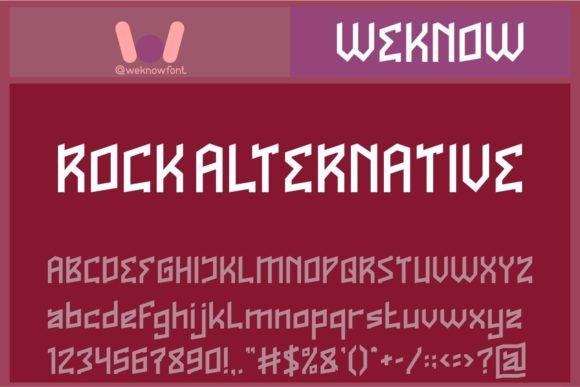
Imagine a typeface that doesn't just sit on a page but launches it into the future. That's the power of a truly standout display font, and Rock Alternative is a compelling example designed to command attention. If you're working on a project that needs to feel cutting-edge, rebellious, or unmistakably modern, understanding what this techno-sci-fi typeface offers is your first step toward a more impactful design.
What Makes This Font a Design Asset?
At its core, Rock Alternative is a premium display font. This means it's crafted specifically for large, prominent applications like headlines, titles, and logos, rather than for body text. Its futuristic aesthetic is built on sharp angles, unique letterforms, and a high-tech vibe that feels both rebellious and polished. This isn't just another creative font; it's a tool for making a statement. For designers building a brand identity or crafting social media graphics that need to stop the scroll, a typeface with this much personality is invaluable.
Where to Unleash Its Potential
The right font finds its home in specific projects. Rock Alternative's strength lies in contexts where visual impact is non-negotiable. Consider these practical use cases:
- Logo Design & Branding: Create a memorable logotype for a tech startup, a gaming channel, a music festival, or a streetwear brand. Its distinct character helps forge instant recognition.
- Poster and Editorial Design: Make magazine covers, event posters, or book covers pop with energy. It's perfect for headlines in sci-fi comics, graphic novels, or music industry publications.
- Digital & Social Media: Design eye-catching YouTube thumbnails, Instagram story graphics, or stream overlays that resonate with gaming, tech, or alternative music audiences.
- Packaging & Merchandise: Apply it to product packaging for electronics, apparel labels, or concert merchandise to convey a specific, edgy mood.
Integrating a Display Font Effectively
Choosing a bold typeface is one thing; using it well is another. To ensure your design feels cohesive and professional, keep a few tips in mind. First, always prioritize readability. Test the font at the size it will be used. A futuristic font should intrigue, not confuse. Second, consider font pairing. Rock Alternative pairs beautifully with a clean sans serif font for body text or a simple script font for a touch of contrast, creating a balanced typographic hierarchy. Finally, align the font's mood with your project's message. Its rebellious, high-tech spirit is perfect for innovation and energy but might not suit a traditional or serene project.
Making the Right Choice
Before you proceed with any font download, a quick checklist ensures a smooth workflow. Verify the license covers your intended use, whether it's for a commercial brand identity project or a personal portfolio piece. Review all available styles and weights—does the typeface family offer the versatility you need? Lastly, download and test it thoroughly within your mockups. The goal of modern typography is to solve a visual problem, and a well-chosen display font like this one can elevate your entire design asset library, ensuring your work looks polished, intentional, and ready to stand out.
Ultimately, the fonts you select are foundational to your visual storytelling. A typeface that carries the right weight, style, and personality doesn't just decorate a design; it defines its character. By choosing a thoughtfully crafted display font, you're investing in clarity, impact, and the professional polish that makes your creative vision resonate.