Ladybug: The Quirky Display Font for Creative Projects
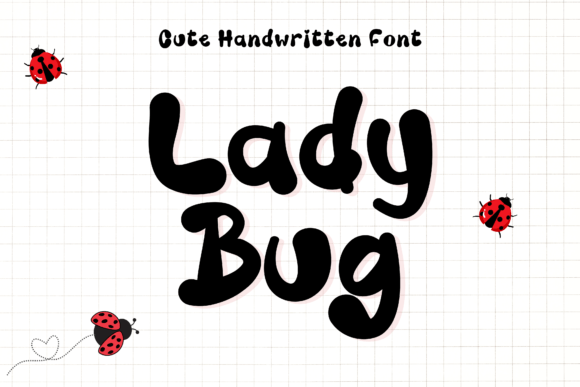
Finding a typeface that perfectly captures a project's personality can feel like a small victory. Ladybug is a fun and quirky display font. Add it to your creative projects and you will love the results! This premium font stands out with its playful character, making it an excellent choice for designers looking to inject energy and distinctiveness into their work. It’s not just another creative font; it’s a design asset built to make visuals memorable.
As a display typeface, Ladybug is crafted for impact rather than body text. Its unique letterforms are ideal for headlines, logos, and branding elements where you need to grab attention instantly. Think of it as a tool for setting a mood—its quirky, modern typography can convey approachability, creativity, and a touch of whimsy. Whether you're working on brand identity for a new startup or designing a poster for an event, this font helps establish a strong visual voice right from the first glance.
Where Ladybug Truly Shines
The practical applications for a font like Ladybug are extensive. Its distinctive style makes it particularly effective for projects that aim to feel friendly, youthful, or innovative. Here are some common scenarios where it can elevate your designs:
- Logo Design & Branding: Create a memorable wordmark or pair it with a simple sans serif font for a balanced brand identity system.
- Packaging Design: Make product labels and boxes pop on the shelf with typography that tells a story before the customer even reads the description.
- Social Media Graphics & Posters: Stand out in a crowded feed or on a bulletin board with bold, engaging headlines that are impossible to ignore.
- Web Design & Digital Products: Use it for hero sections, app interfaces, or digital invitations to create an inviting and modern user experience.
- Editorial Design & Merchandise: Add flair to magazine spreads, book covers, or custom merchandise like t-shirts and tote bags.
Tips for Choosing and Using This Typeface
To get the most out of Ladybug, consider a few practical design principles. First, always test for readability in context. A display font is meant for short bursts of text, so ensure your headline or logo remains clear at the intended size. Next, match the mood. Its playful nature suits creative industries, children's products, or casual branding, but might not align with a formal corporate identity.
Font pairing is also key. Ladybug works beautifully when contrasted with a clean, neutral serif or sans serif font for body copy, allowing its personality to shine without overwhelming the layout. Review the available styles and weights—some versions may include alternates or glyphs that offer even more creative flexibility. Finally, check the license to ensure it covers your intended use, whether for a personal project or a commercial client.
Investing time in selecting the right typeface pays off in visual consistency and brand recognition. A well-chosen font like Ladybug doesn't just decorate; it communicates. It helps create a cohesive look across all your design assets, from web pages to printed materials, making your work appear more polished and professional. When typography aligns with your project's core message, the entire design feels more intentional and effective.
Choosing a font is a fundamental design decision that influences how your audience perceives your message. A quality display font offers both aesthetic appeal and functional versatility, serving as a cornerstone for compelling visual storytelling. By selecting a typeface that resonates with your project's goals, you build a stronger foundation for creative work that connects and endures.